
Decarb Alt Erlaa - Transformation of Alt Erlaa residential park into a climate neutral district
Short Description
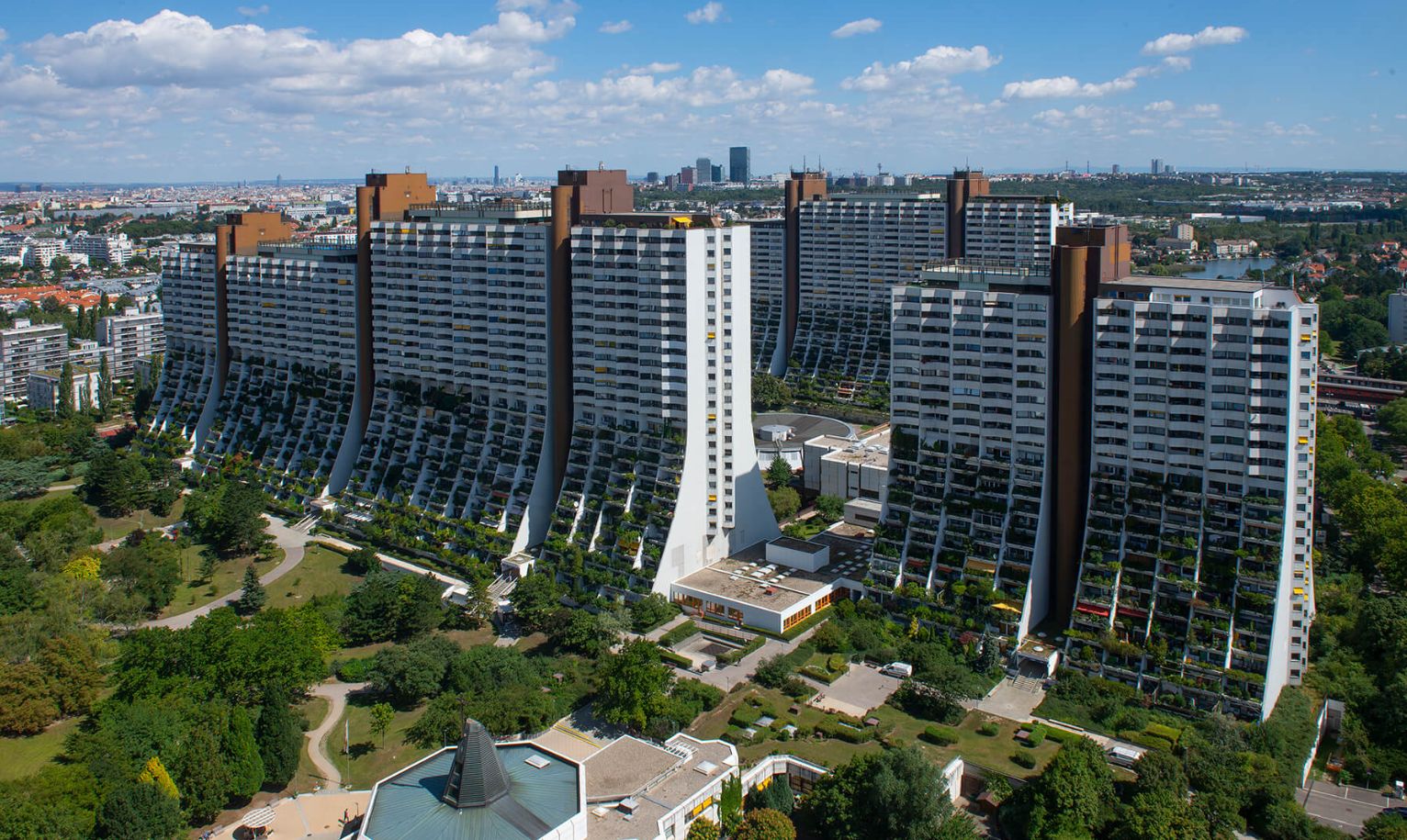
As part of the research project "Decarb Alt Erlaa", the potential for the comprehensive transformation of the Alt Erlaa residential complex into a climate-neutral neighbourhood was investigated. Alt Erlaa is Austria's largest housing estate and is widely regarded as a flagship project of social housing. Systematic potential analyses in the fields of construction and building technology, complemented by social science support, were used to determine how a climate-neutral future for this large-scale housing development can be achieved. In addition, the study examined the feasibility of applying innovative carbon-binding technologies during ongoing operation and carried out a risk analysis to ensure the robustness of the subsequent implementation project. The central research question was: "Which combination of technical, organisational and social measures is suitable to make the residential complex climate neutral by 2040 while improving, or at least maintaining, the residents' quality of life and satisfaction?"
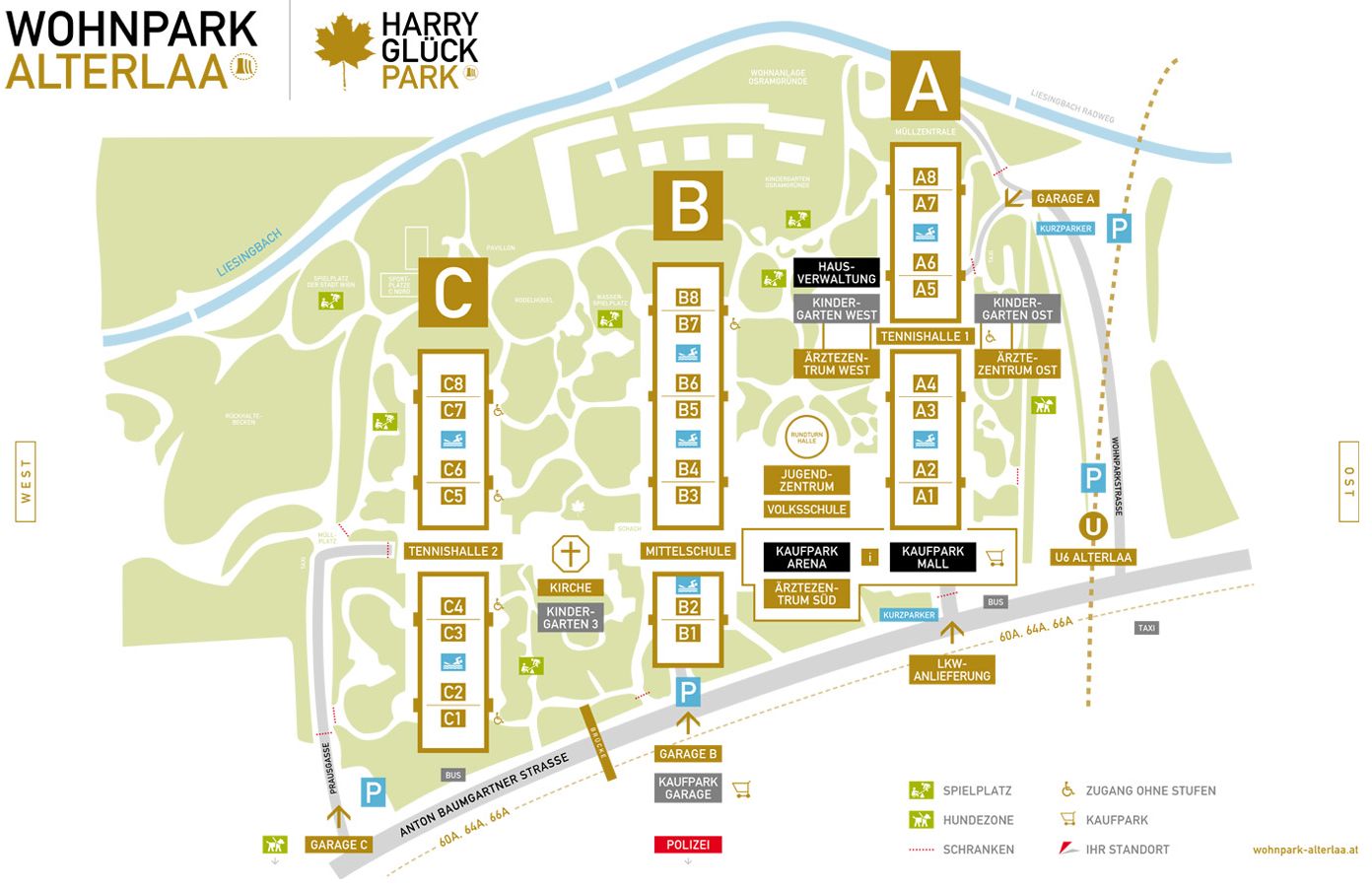
The Alt Erlaa housing estate comprises around 3,200 apartments with a total gross floor area of 350,000 square metres. Built in the late 1970s and early 1980s, the estate has a significantly higher energy demand compared to current standards but also offers a high potential for transformation. Current planning includes a partial thermal renovation as well as the decarbonisation of the heating system. The exploratory study expands and deepens the preparatory work already undertaken.
The aim of the exploratory study was to prepare a well-founded catalogue of measures for the transformation. This included: (1) Detailed potential analyses of construction and building technology measures, (2) social science support to ensure resident participation in the transformation process, (3) an assessment of the potential for, and possible integration of, innovative carbon sequestration technologies in the housing estate and (4) a systematic risk analysis of technical, organisational, financial, and legal aspects.
The methodological approach was adapted to the focus of each work package:
- In the field of construction measures, calculations and simulations were used to quantify the effects of individual retrofit measures and packages of thermal renovation measures.
- The proposed building technology measures were assessed quantitatively through calculations and qualitatively using nominal classification schemes. The calculations were validated by measurements. Furthermore, the winter of 2024/25 was already used for experimental adjustments to the technical operating parameters of the heating supply.
- In parallel with the technical assessments, the social science component carried out surveys, focus groups, and participation formats to determine acceptance, information needs, and willingness to participate.
- The feasibility study of innovative carbon dioxide sequestration methods during operation was based on a combination of literature review, pilot project data, and manufacturer information. For each technology, functionality, technical framework, ecological impacts, spatial requirements, and costs were assessed. In addition, legal aspects, scalability at the neighbourhood level, and social acceptance were considered.
- The risk analysis was conducted using a Failure Mode and Effects Analysis (FMEA) to systematically identify and evaluate potential weaknesses. Based on current planning documents, error types, causes, and impacts were recorded and quantified using risk priority numbers. The analysis was carried out in interdisciplinary workshops with representatives from research, planning, social sciences, and property ownership.
Building on the results of the previous work packages, coordinated packages of measures for the refurbishment and decarbonisation of the housing complex were developed. These form the foundation of the subsequent implementation project.
The project "Decarb Alt Erlaa" has shown that the decarbonisation and refurbishment of the residential complex are both technically feasible and socially acceptable. The construction analysis demonstrated that this distinctive housing estate from the 1970s and 1980s, with its complex structures and architecture, can significantly reduce its heating demand through targeted packages of measures, even while fully occupied, and can even achieve the klimaaktiv standard. The building technology potential analysis confirmed the availability and usability of local heat sources and showed that a completely fossil-free heat supply is possible. The social science component highlighted that acceptance, transparency, and resident participation are crucial to project success. Equally important was the risk analysis, which examined technical feasibility, financing, legal frameworks, and social factors, thereby contributing to the optimisation and safeguarding of the proposed measures. For the transformation into a fully climate-neutral neighbourhood, the use of CO₂ sinks will also be necessary. Among the technologies studied, the pyrolysis of garden waste or of supplied biomass shows substantial and realistic potential, while the other two investigated technologies currently face considerable hurdles.
In the already approved demonstration project "JUNG Erlaa", the concepts developed during this exploratory study will be implemented in practice. This includes the recommended thermal renovation measures as well as the conversion of the heating system to heat pumps using local heat sources such as deep geothermal probes and wastewater heat recovery. In addition, a pilot pyrolysis plant for garden waste is planned. In parallel, the participatory and communication formats developed in the project will be continued to ensure transparency and resident acceptance throughout implementation. Ongoing risk assessment will also be continued. The insights gained from the project are relevant not only for the Alt Erlaa housing estate but also for comparable large-scale residential complexes facing similar challenges in the course of the energy transition.
Project Partners
Project management
IBR&I Institute of Building Research & Innovation ZT GmbH
Project or cooperation partners
- Gemeinnützige Wohnungsaktiengesellschaft Wohnpark Alt-Erlaa
- Universität für Bodenkultur Wien - Institut für Verfahrens- und Energietechnik
- wohnbund:consult eG
Contact Address
DI Felix Wimmer, BSc
Wipplingerstraße 23/3
A-1010 Wien
Tel.: +43 (1) 581 13 19 812
E-Mail: felix.wimmer@ibri.at
Web: www.ibri.at